Timing
Whether the image captures the right instant, technically or emotionally.
FinalFrame はすべての写真を0〜10で採点します。6 は堅実な一枚、8 はポートフォリオに値する一枚、9 は展示クラスです。 採点の仕組み
本当のところ
Timing is the choice of instant: out of every fraction of a second the scene offered, which one becomes the photograph. The word covers two questions, and this lesson weights them deliberately. There is technical timing: shutter speed as rendering, motion frozen crisp or streaked with flow (that question belongs to the sharpness lesson). And there is THE timing: the decisive moment, Cartier-Bresson's name for the instant when the significance of an event and the organization of form peak together. Photographers have stretched his term to cover every kind of peak (the gesture, the expression, the light) and the stretch is fair, because the underlying claim holds for all of them: the moment is the half of timing that no camera setting can buy.
Be precise about what a moment is, because it is not "when something happened." Things happen continuously. A moment is when the elements ALIGN: the gesture at full extension, the expression at its truth, the stride landing in the exact gap in the crowd, the light in the two minutes it breaks the cloud. Alignment is rare and brief by definition, which is why timing behaves less like a camera skill and more like a hunting skill: most of it is conducted before the shutter, in where you stand and what you are watching for.
The moment also has a slow register: the hour. Light is timed too: the same hillside is two different photographs at 7am and noon, and "come back when the light rakes low" is a timing instruction on a day-length clock. When a critique names timing as the bottleneck, read which clock it means: some frames missed their moment by a quarter-second, others by four hours.
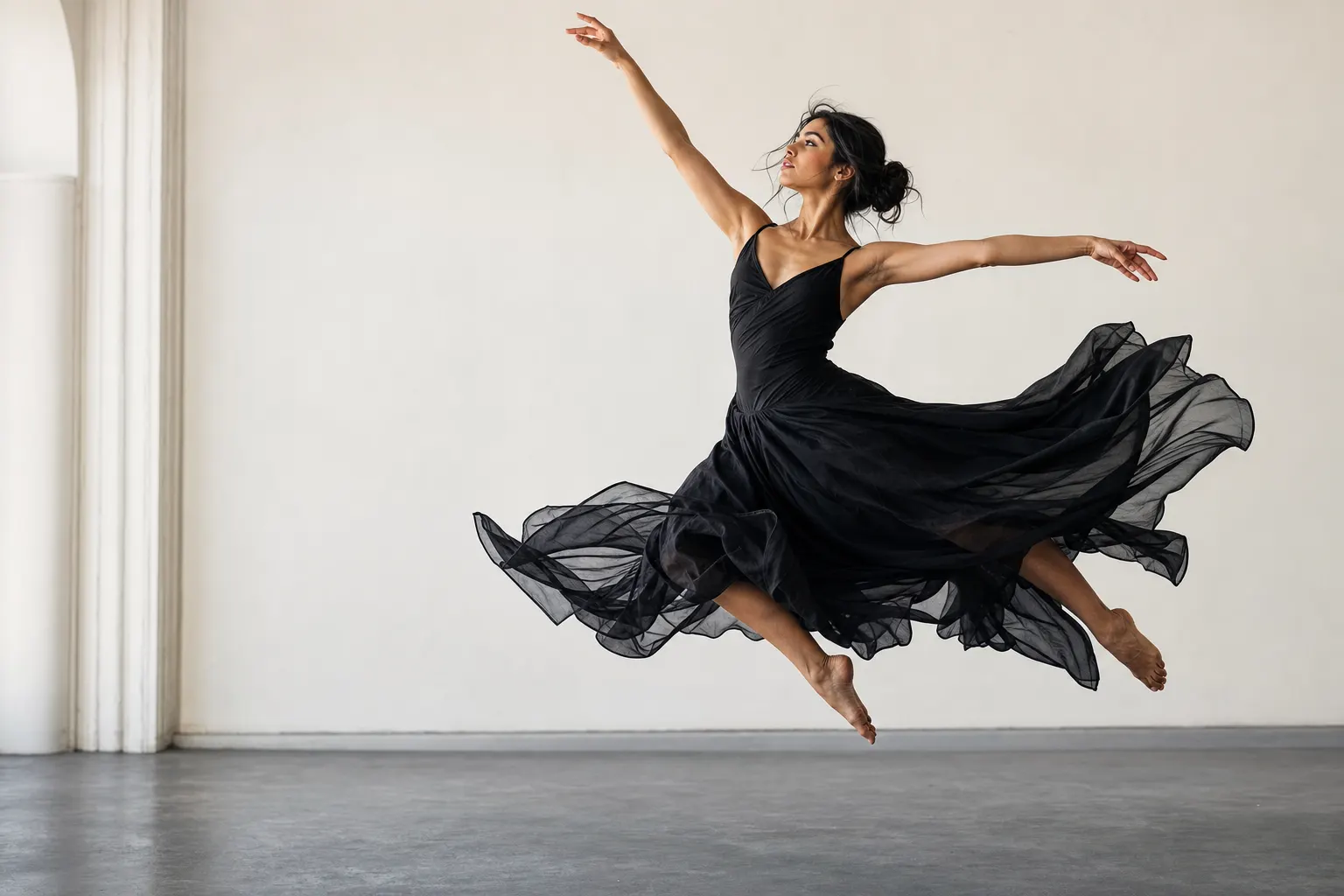
AI生成
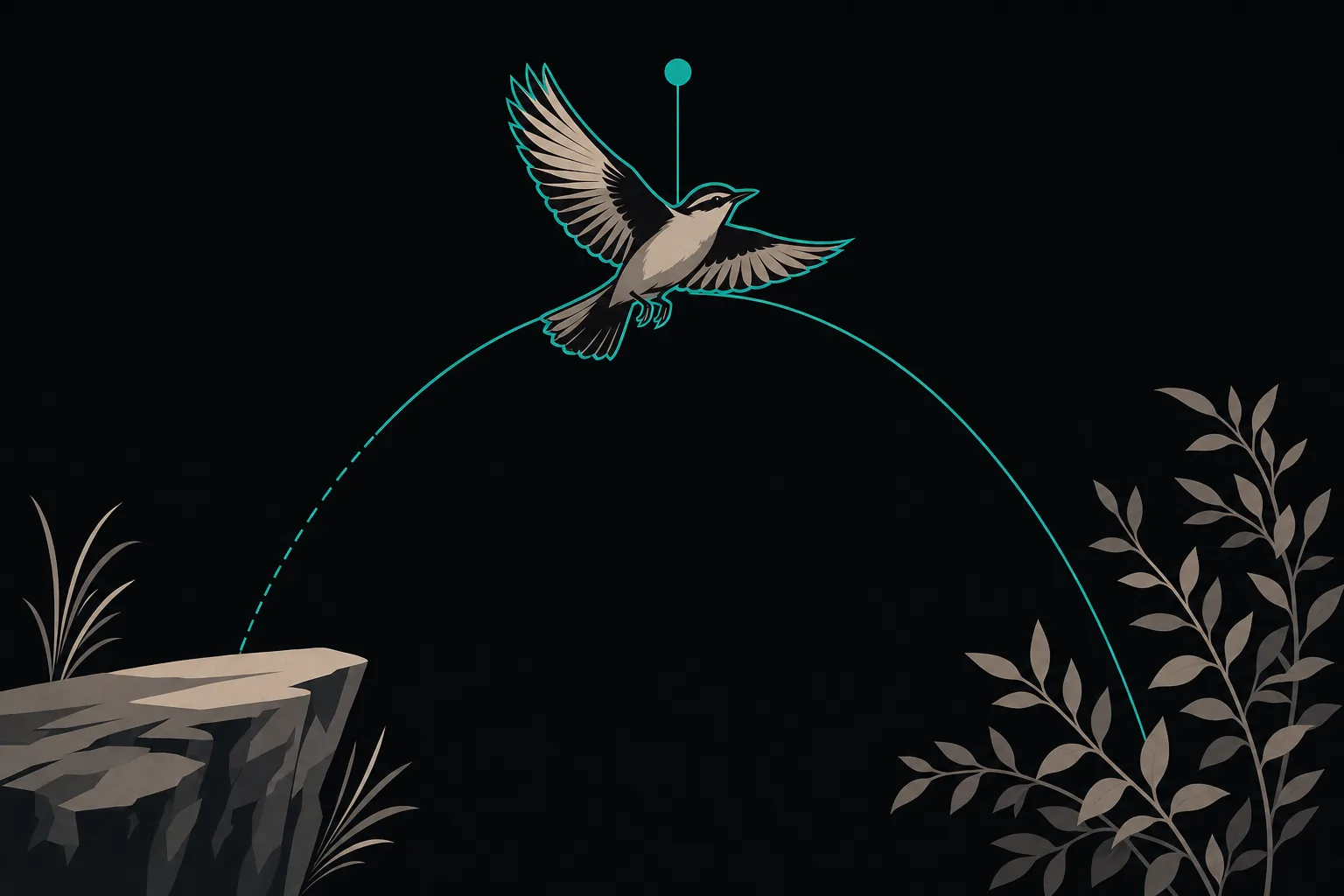
6と8を分けるもの
A 6 proves you were there; an 8 proves you were ready. The 6 records that a moment occurred: the ball was caught, the couple laughed, the light was good, but the frame sits a beat off the peak. The catch is past its stretch, the laugh is decaying, the stride is mid-shuffle rather than full extension, and the same lateness shoots landscapes: the ridge caught two minutes after the light's break, when the shaft had already widened into ordinary brightness. Everything else can be competent (exposure, focus, frame) and the image still reads as a report filed slightly late. That near-miss is what fills the middle of every take from every street corner and sideline: technically fine frames of the moment's aftermath.
An 8 lands ON the alignment, and it carries a property a judge feels before they can explain it: inevitability. The frame a half-second earlier would be anticipation without payoff; a half-second later, payoff without tension: this one is the argument for itself. The judge's tell is exactly that question: would one beat earlier or later have made a better frame? On a 6 the honest answer is usually yes, and a judge can point to when. On an 8 the answer is no, and in the frames that stay with you, the moment is doing double duty, peaking the action AND the geometry at once, which is the full Cartier-Bresson condition rather than the half of it. No axis rewards readiness more, and none is harder to fake: every other quality in this curriculum can be rehearsed on a still subject, but the moment only ever offers itself once, live.
シャッターを切る前に
Moments telegraph themselves: the skill is reading the wind-up instead of the peak. Action has grammar: the crouch before the leap, the backswing before the strike, the inhale before the laugh. Watch hands, feet, and eyes: they announce intention a full beat before the event arrives; a glance announces the kiss before either face moves. Learn to press on the grammar rather than the event, because by the time a peak is visible to you it is already gone: human reaction takes roughly a quarter of a second, the camera's own lag stacks on top, and the peak waits for neither.
Then read the scene's rhythm, because most moments repeat in rough cycles: waves reload, pedestrians cross in pulses with the lights, a bird returns to the same perch, a market gesture recurs every few customers. Repetition converts timing from a miracle into a rehearsal: watch two or three cycles with the camera down and you will know when the next peak is due and where it will land. And watch the light on the same clock: the sun about to clear a cloud edge, the shaft that reaches the doorway once and briefly. Light peaks are moments too, and they are the most punctual of all.
撮影時に
Set the stage first, then hunt the instant, never both at once. Fishing beats chasing: compose the frame in advance (background clean, geometry set, light chosen) and let the moment walk into it, because a photographer still composing when the peak arrives has already missed it. Pre-focus on the stage, or zone-focus at a working aperture, so autofocus acquisition does not spend your quarter-second for you; settle exposure for the same reason. With the machine handled, your whole attention goes where it belongs: on the wind-up.
Then fire early and in short bursts: anticipation first, burst second, in that order. Press on the grammar, a beat before the peak, and let a short burst bracket the instant. A burst is a bracket around a read, not a substitute for one: sprayed without anticipation, it is random sampling of the wrong second. Even a camera that buffers frames from before the full press only widens the bracket: it cannot know which instant was THE instant, so the read, and later the cull, are still yours. Use the physics that helps you: an arc peaks, and a jump's apex hangs nearly still (the most catchable instant is also the easiest one to render cleanly). And keep shooting THROUGH the moment: the frame after the peak is sometimes the truer one, when effort breaks into relief. What shutter speed renders the motion, frozen crisp or streaked with flow, is the sharpness lesson's question. Yours is which instant deserves rendering at all.
編集では救えないとき
The clause leads, because timing is the purest capture-limited verdict in the whole taxonomy: post cannot move a moment. The peak the sensor did not record does not exist anywhere: no slider retrieves the expression from a quarter-second before the exposure, no tool re-extends a finished gesture. And nothing generative changes this: software can invent a peak, but it cannot retrieve one (a fabricated gesture is an illustration of a moment, not a photograph of it). Focus can at least be re-attempted on the same subject tomorrow; a moment's window closes permanently the instant it passes. When the frame you have is the aftermath, editing it harder only polishes the lateness.
One branch of this verdict is gentler than the rest: when timing was named for the LIGHT, the scene shot at the wrong hour rather than the wrong instant, the window is not gone, it is circular. A missed gesture never returns; golden hour returns tomorrow. That makes light-timing the most retryable capture verdict in the taxonomy: the reshoot lever is not faster reflexes, it is a calendar (same spot, better hour). The bound is the spot, not the clock. The light keeps its schedule, but a one-time event or a place you were only passing through does not, and there, the wrong-hour light joins the gestures that never come back.
The narrow salvage, honestly bounded:
(1) if you shot a burst, the true timing edit is SELECTION, culling to the real peak is a timing skill exercised at the desk, and photographers routinely pick the wrong frame from their own take: judge the peak at full size, not by which frame felt right in the field;
(2) a crop can occasionally re-aim a near-miss at the moment that DID land (the secondary gesture, the bystander's truer reaction), the same re-read salvage the focus lesson describes: it rescues a photograph, not the photograph;
(3) motion rendered at the wrong crispness is sometimes recoverable as mood, but that is a sharpness conversation, not a timing one.
When to go back, named plainly: if the action repeats (the crossing, the perch, the market gesture, the light that returns tomorrow), a reshoot is not a defeat, it is the rehearsal your first attempt paid for; you now know the rhythm and the stage. If the moment was unrepeatable, let the frame go and take the debrief instead: were you reacting when you should have been anticipating? Was the camera settled, or still being composed when the peak arrived? Timing improves between shoots, never between sliders.
上達の階段
- Beginner: shoots when they see it. A beat late by physiology alone; brings home aftermaths and calls them moments.
- Competent: brackets the obvious peak. Recognizes peaks arriving on predictable action and uses bursts to bracket them; catches the clean apex, still loses expressive moments and anything that telegraphs subtly.
- Strong (the working level of a serious action, street, or event shooter): hunts by anticipation. Reads the wind-up, sets the stage in advance, pre-focuses, fires on the grammar rather than the event; works light on the same clock: in position before the cloud gap opens, not after; culls to the true peak instead of the frame that felt good.
- Advanced: Cartier-Bresson's territory. Composes the stage and waits for the world to complete it, so action, geometry, and light peak in the same frame; knows which instant is THE instant while it is still approaching, and has the discipline not to fire on the lesser ones.
撮ってみよう
Repetition is the timing photographer's practice room, so find one reliably repeating action and make it your rig: a pedestrian crossing on its light cycle, a swing at a playground, waves on one rock, a bird returning to a perch, a barista's pour. Set the stage ONCE: fixed position, fixed frame with clean geometry, exposure settled, focus pre-placed on the spot where the action peaks. From here, the only variable left is WHEN you press.
Shoot the cycle two ways, many repetitions each. First set: react (press when you SEE the peak). Second set: anticipate (read the wind-up and press a beat early, letting a short burst bracket the instant). Then cull at the desk, at full size: pick the single truest peak from each set, and be suspicious of the frames that merely felt right.
Close the loop with one frame: the truest pick from the anticipated set. Position, frame, exposure, and focus were locked, so the instant is the only thing that frame can argue. Re-critique it and see whether timing, the bottleneck that brought you here, has handed the title to some other part of your craft; if it has, the FinalFrame Score has room to hold the gain. And if timing is named again, or your reacted pick honestly beat the anticipated one on the desk, that flat result is information, not indictment: either this action's peak was broad enough to forgive a quarter-second (some are), or your reactions had already become anticipations, which is what practice does, and the best possible way to fail this assignment.