How we tested: do the scores tell a flawed photo from a sound one?
This page is the method behind the test reported on AI vs human photo critique. We asked one question of two scores: given a photo with a known flaw and a photo without one, does the score put the sound photo higher? One score was FinalFrame's. The other came from GPT-6.1 Sol, an OpenAI model, given only the photo and a short request. Side by side, the two show what a product built around a model adds to what a capable model gives on its own from a few sentences of instruction; they do not say which model is better.
The photos
We used 42 photos from the labeled test sets we check each new version of FinalFrame against, in 2 groups. The groups come from the labels, never from either side's scores. Earlier versions of FinalFrame had read these photos, and some labels were corrected after those reads. A test on photos neither side had seen would be stronger; we have not run it.
- Flawed (16). 15 carry a focus label: soft, focus on the wrong plane, or motion blur. The 16th is a backlit face washed out by lens flare, labeled as a reshoot. So the result is mostly about focus faults; it says nothing about exposure, composition or editing faults.
- Sound (26). Labeled sharp, with no known capture fault. Sound is not the same as good: a sound photo can still be dull.
- Left out. Photos labeled differently in our two sets, photos whose label depends on the critique style chosen for them, and photos with a borderline label. Where the same photo appeared twice under different names, one copy was kept. 8 photos with a real but editable limit were read too; they are not part of the 42.
The two sides
FinalFrame. The FinalFrame Score as a user sees it, one read per photo, from the same version of the critique for all 42: 15 photos read on 20 October 2026 and 27 on 25 October 2026. Each photo was read in the critique style (the lane) its label names, as a photographer would pick it; FinalFrame's focus check ran as it does for every user.
GPT-6.1 Sol. Through OpenAI's API, not the ChatGPT app, on 25 October 2026. One read per photo at each of 2 effort settings, low and high. No system prompt and no other instructions; the photo sent at high detail; every other setting left at OpenAI's default. The request, exactly as sent:
Critique this photo. Give it a score from 1 to 10, to one decimal place (for example 6.4), and name the single biggest thing holding it back.

End your reply with one line in exactly this form: SCORE: <number with one decimal>/10
How we counted
The pair rule. Every sound photo was paired with every flawed photo: 26 × 16 = 416 pairs. A pair counts when the sound photo scored higher; a tie would have counted as half, and there were none. FinalFrame scored the sound photo higher in 412 of the 416 pairs (99%).
The averages. FinalFrame: sound photos 7.0, flawed photos 5.4. GPT-6.1 Sol: 7.7 and 6.7 at low effort, 7.7 and 6.6 at high effort.
The gap on each photo. The plain model's score minus FinalFrame's, on the same photo, at low effort: 1.3 at the median across the 16 flawed photos, 0.7 across the 26 sound ones.
Decided in advance. Before any photo was read, we wrote down the groups, the pair rule, and which results would let us publish which sentences. A further rule, for a claim that one score ranks the photos more reliably than the other, did not clear its bar, so we make no such claim.
What this comparison is, and is not
- What it shows. FinalFrame runs its own focus check, puts the same fixed questions to every photo and scores in the lane you pick; the plain model had the photo and the request above, nothing else. The difference between the two is what a product built around a model adds on these photos, given a few sentences of instruction. It is not a test of which model is better: FinalFrame also runs on a different OpenAI model.
- The API is not the app. The ChatGPT app adds things the API call does not: memory, chat history and saved instructions, and it may handle images differently. The last line of the request asks for a score format a casual user would not type. A by-hand test in the app, with the same request, is described below.
- Small numbers. 16 flawed photos against 26 sound ones, one read per photo on each side, on two days in October 2026.
Every photo's scores
A table of all 42 photos, one row each.
| Photo | Group | Label | FinalFrame | GPT-6.1 Sol, low | GPT-6.1 Sol, high | Thumbnail |
|---|---|---|---|---|---|---|
| F01 | flawed | motion blur | 4.4 | 4.7 | 4.3 | not shown |
| F02 | flawed | focus on the wrong plane | 5.0 | 6.4 | 6.4 | not shown |
| F03 | flawed | soft | 5.1 | 6.7 | 6.6 | not shown |
| F04 | flawed | focus on the wrong plane | 5.1 | 6.1 | 6.3 | not shown |
| F05 | flawed | focus on the wrong plane | 5.3 | 7.1 | 6.8 | not shown |
| F06 | flawed | soft | 5.3 | 6.4 | 6.3 | not shown |
| F07 | flawed | soft | 5.3 | 7.2 | 6.8 | not shown |
| F08 | flawed | motion blur | 5.3 | 6.4 | 6.7 | not shown |
| F09 | flawed | focus on the wrong plane | 5.4 | 7.3 | 6.6 | not shown |
| F10 | flawed | focus on the wrong plane | 5.5 | 7.8 | 7.7 | 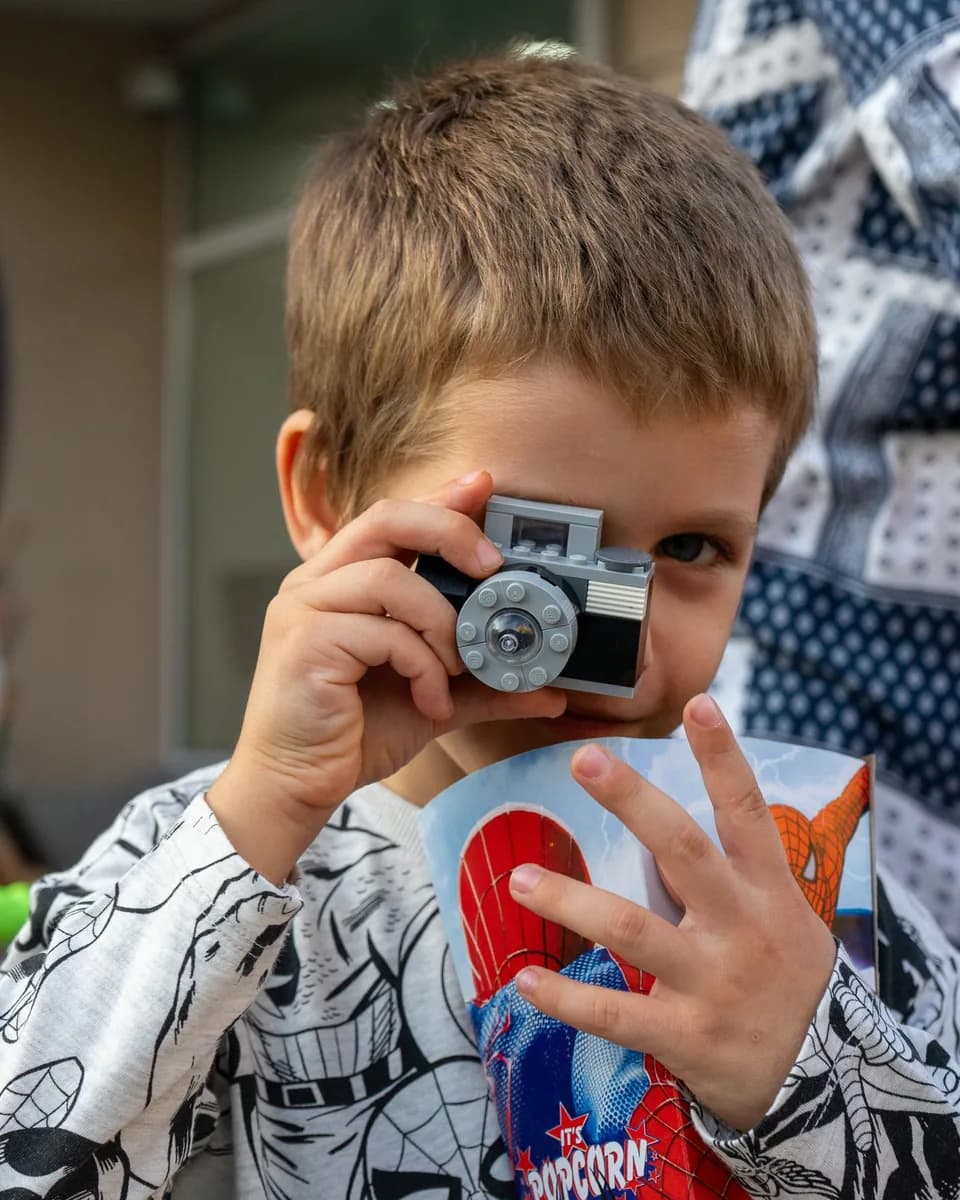 |
| F11 | flawed | soft | 5.6 | 6.7 | 6.5 | not shown |
| F12 | flawed | focus on the wrong plane | 5.6 | 7.3 | 7.3 | 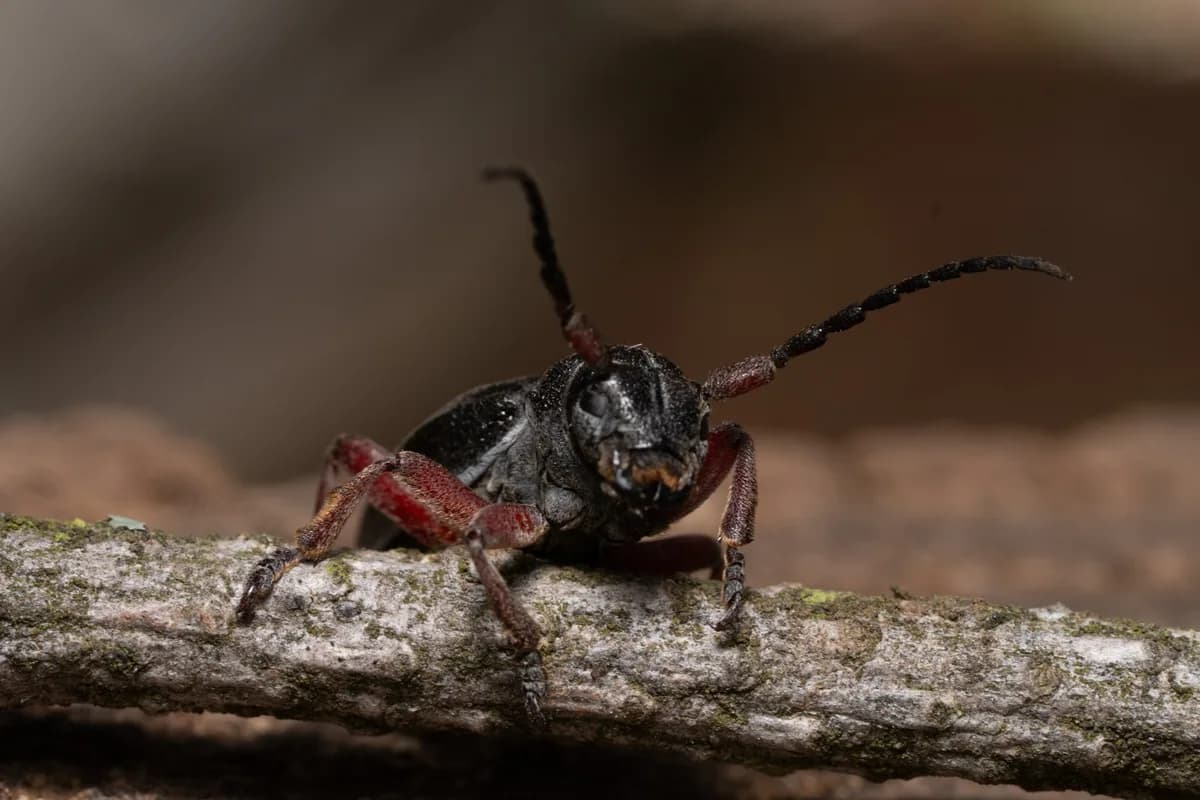 |
| F13 | flawed | soft | 5.8 | 7.2 | 7.3 | not shown |
| F14 | flawed | flare-washed face | 5.9 | 6.7 | 6.7 | not shown |
| F15 | flawed | focus on the wrong plane | 5.9 | 6.3 | 6.6 | not shown |
| F16 | flawed | soft | 5.9 | 7.1 | 7.2 | not shown |
| S01 | sound | sound | 5.7 | 6.5 | 6.4 | not shown |
| S02 | sound | sound | 6.0 | 6.7 | 6.4 | not shown |
| S03 | sound | sound | 6.3 | 7.2 | 7.3 | not shown |
| S04 | sound | sound | 6.5 | 7.6 | 7.4 | not shown |
| S05 | sound | sound | 6.5 | 7.2 | 7.6 | not shown |
| S06 | sound | sound | 6.6 | 7.3 | 7.3 | not shown |
| S07 | sound | sound | 7.0 | 7.8 | 7.7 | not shown |
| S08 | sound | sound | 7.0 | 7.3 | 7.3 | not shown |
| S09 | sound | sound | 7.0 | 7.7 | 7.8 | not shown |
| S10 | sound | sound | 7.0 | 7.5 | 7.4 | not shown |
| S11 | sound | sound | 7.0 | 7.5 | 7.3 | not shown |
| S12 | sound | sound | 7.1 | 7.6 | 7.7 | not shown |
| S13 | sound | sound | 7.1 | 7.8 | 7.8 | not shown |
| S14 | sound | sound | 7.1 | 7.8 | 7.8 | not shown |
| S15 | sound | sound | 7.2 | 8.1 | 8.2 | not shown |
| S16 | sound | sound | 7.2 | 7.7 | 7.4 | not shown |
| S17 | sound | sound | 7.3 | 8.2 | 8.2 | not shown |
| S18 | sound | sound | 7.3 | 8.1 | 8.2 | not shown |
| S19 | sound | sound | 7.3 | 7.8 | 7.8 | not shown |
| S20 | sound | sound | 7.3 | 7.8 | 7.8 | not shown |
| S21 | sound | sound | 7.5 | 8.1 | 8.3 | not shown |
| S22 | sound | sound | 7.5 | 8.2 | 8.2 | not shown |
| S23 | sound | sound | 7.5 | 8.1 | 8.3 | not shown |
| S24 | sound | sound | 7.6 | 7.6 | 7.8 | not shown |
| S25 | sound | sound | 7.6 | 8.1 | 8.2 | not shown |
| S26 | sound | sound | 7.8 | 8.2 | 8.1 | not shown |
The same request in the ChatGPT app
What we did. On 26 October 2026 we typed the request above by hand into the ChatGPT app on a paid account, with Memory on, using the model and setting the app opened with: GPT-6, Medium. 3 photos from the set the API test read: the 2 examples on the main page (both with focus on the wrong plane), which were picked because the API model's score was among the furthest from FinalFrame's, so they are not typical photos, and 1 sound photo. Each went into a new chat 3 times, 9 chats in all, in rounds through all 3 photos; 2 more photos were added the same day the same way (6 chats; see "The 2 added photos" below). We kept every reply whole.
What came back.
| Photo | Group | App, 3 chats | API, GPT-6.1 Sol, low · high effort | FinalFrame |
|---|---|---|---|---|
| Railway bridge at sunset | sound | 7.6 · 7.6 · 7.8 | 8.2 · 8.2 | 7.5 · 7.5 · 7.5 |
| Toy camera | focus on the wrong plane | 7.2 · 7.2 · 7.1 | 7.8 · 7.6 and 7.7 | 5.7 · 5.6 · 5.7 |
| Beetle | focus on the wrong plane | 7.2 · 7.4 · 7.2 | 7.3 · 7.4 and 7.3 | 5.6 · 5.6 · 5.5 |
| Donkey portrait (added) | ordinary flaw: flat, bright light, near-blown sky | 7.2 · 6.8 · 7.2 | 8.1 · 7.8 | 7.0 · 7.0 · 7.0 |
| Sunset panorama (added) | sound | 7.7 · 7.8 · 7.8 | 8.1 · 8.2 | 7.3 · 7.3 · 7.3 |
FinalFrame read each photo in this table 3 times. For the 2 examples these are 3 new reads made on 26 October; the score shown with each example on the main page is its single read from the 42-photo test.
The 2 added photos. The 2 examples were picked for large misses, so we added 2 photos that were not: a donkey portrait from our tier-calibration set, which our founder graded B− for flat, bright light, a near-blown sky and an empty field (picked from 3 photos in that set whose flaw was not focus, as the least obvious of the 3), and a sunset panorama drawn at random from the sound photos. On the donkey the app named a different main problem in each chat (the light; the empty space; the head against the trees), each a fair point about this photo, while FinalFrame, run 3 times on the same file, named the bright sky outranking the face every time, scored it 7.0 each time and called the photo worth refining each time; in its third run's words, "The sky is carrying too much visual weight; in a clean portfolio frame, the subject should be the tonal anchor, and here the brightest broad area sits away from the donkey's face" (the other 2 runs: "The sky is the brightest, broadest mass in the frame, so the donkey's face does not fully own the tonal hierarchy" and "The clipped, high-value sky competes with the donkey's face"). Each run also gave the same first edit: in Lightroom terms, Highlights down 25 to 40 (45 in one run) and Whites down 10 to 20 (25 in one run) to calm the sky, then a subject mask lifting the donkey by 0.15 to 0.30 of a stop (0.35 in one run). On the panorama all 3 tools named the dark foreground. On these 2 photos the app's scores sat within half a point of FinalFrame's (donkey 7.1 average against 7.0, panorama 7.8 against 7.3), unlike the toy camera and the beetle.
What it can and cannot show. 5 photos and 15 chats is a small test. It compares ChatGPT as you would use it with the same request through the API; it cannot say how much Memory alone moved the scores, because the model, the effort setting and the app's own context differ too. It was one account, the founder's, with Memory on, so earlier chats may have shaped later ones.
ChatGPT and OpenAI are trademarks of OpenAI. FinalFrame is not affiliated with or endorsed by OpenAI.